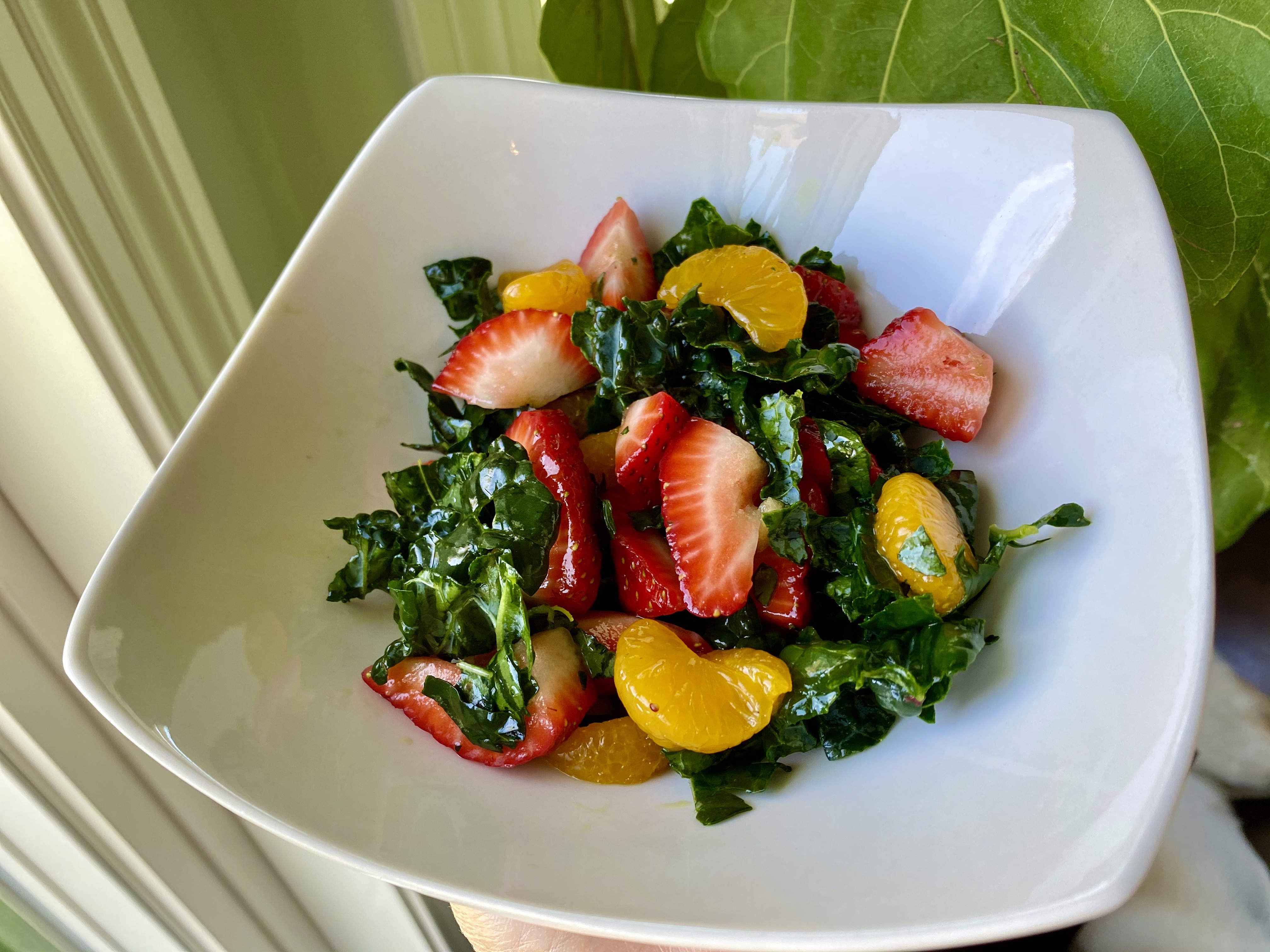
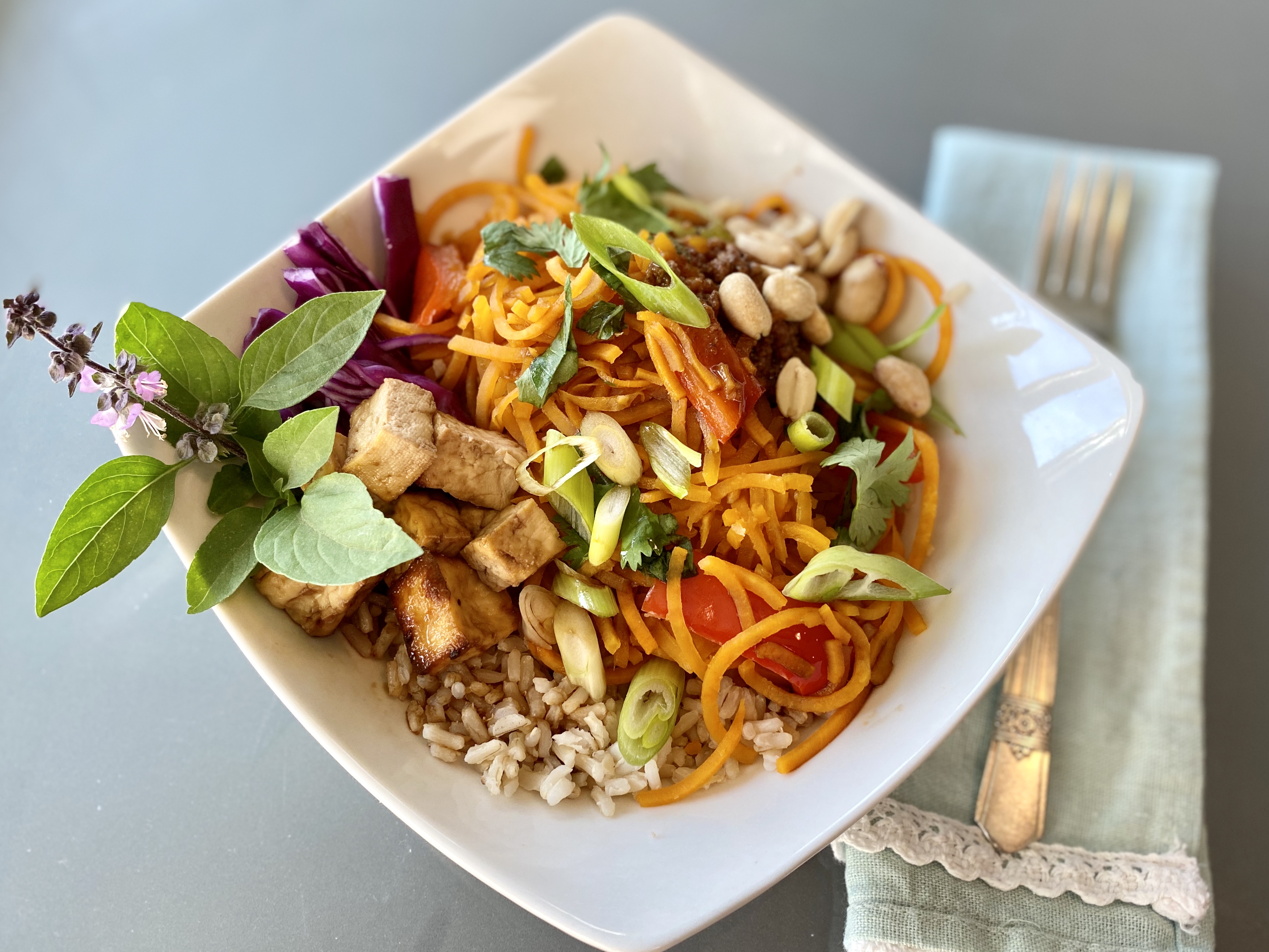
What is exactly a whole food, plant-based lifestyle? It is eating plant foods that are least processed. Foods that are in their most natural form. It’s based on getting all the nutrients needed to live a healthy life. When foods are processed, or broken down or refined, it can take away some of the vital nutrients. So, you get more nutrients!
Nutrition based on science. The Physician’s Committee for Responsible Medicine (PCRM) has developed the Power Plate guide to help make eating WFPB easier. This includes the four categories of Legumes, Fruits, Vegetables, and Grains. By basing meals on the Power Plate guide, you should be getting a great balance of key nutrients. Also, it is important to eat a variety of different types of plants. Eating a rainbow (or colorful) plants ensures that you are getting healthy different phytonutrients, antioxidants. Also, diversity ensures that you are getting different types of amino acids to form cell structures (protein builders) within your body.
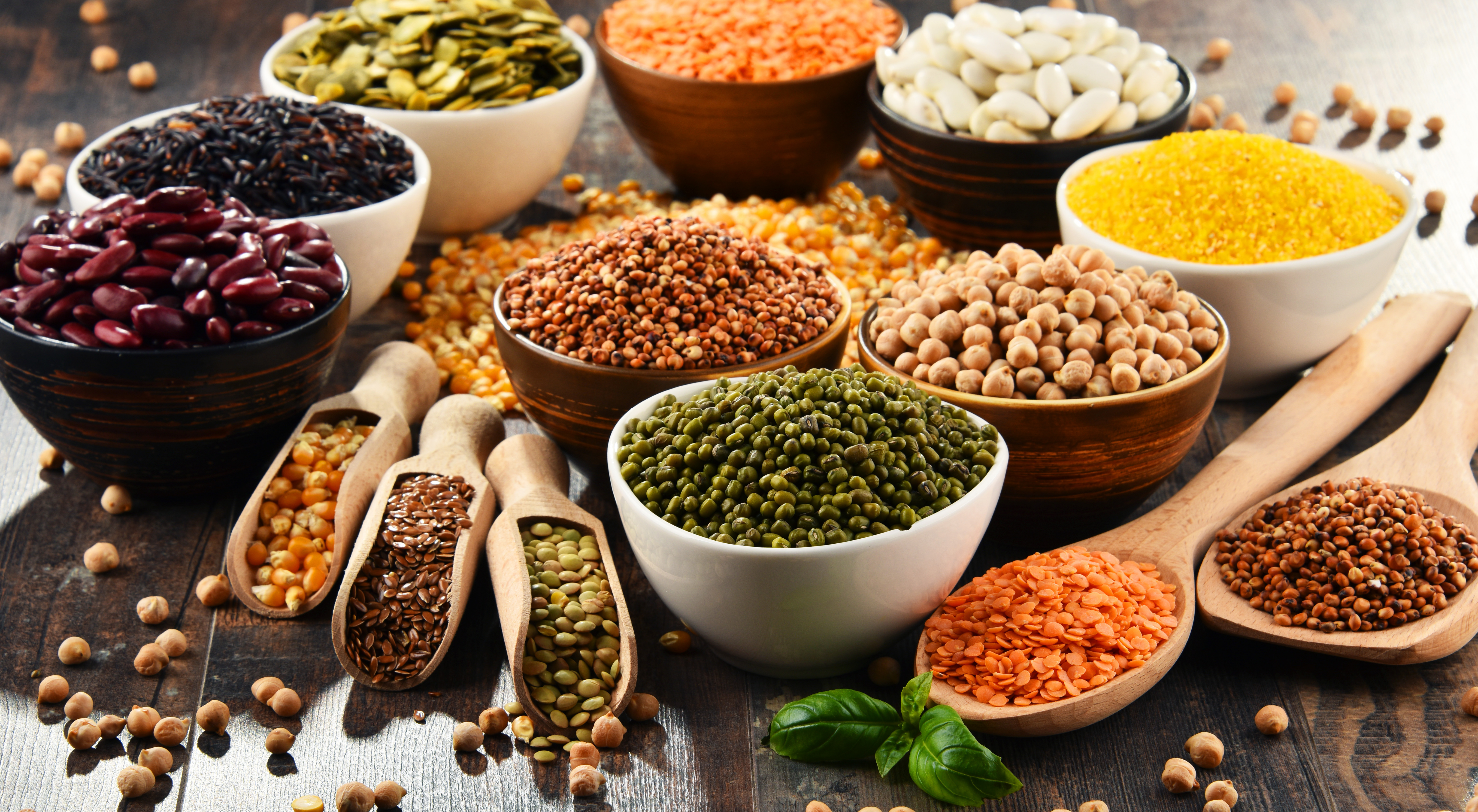
Legumes include any type of bean, lentil, or pea. They are great for getting protein, iron, fiber, and.. They are a great meat substitute! They make the dishes hearty and are filling and provide sietey. You feel satisfied.
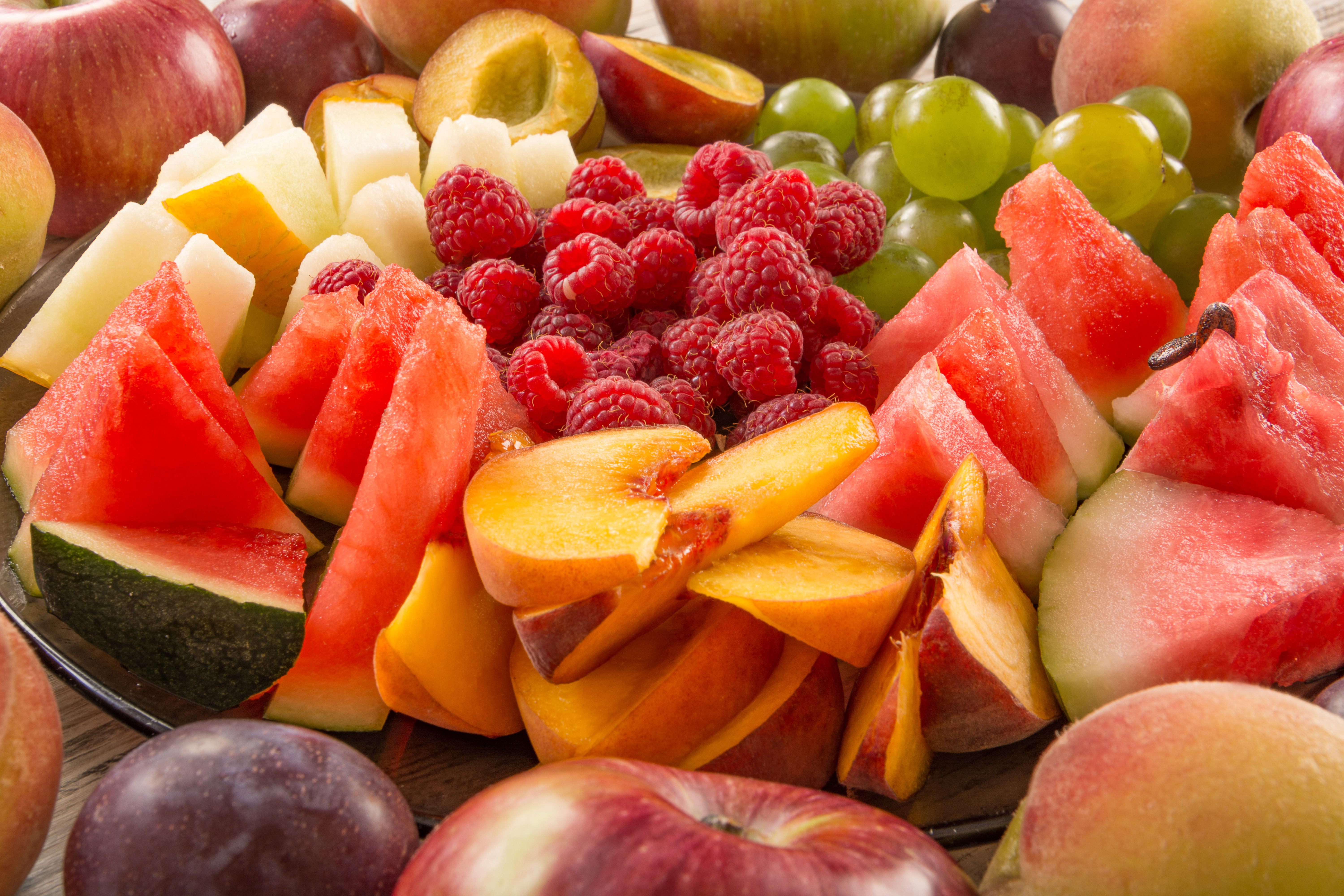
Fruits include any type. Try to aim for the whole fruit versus just fruit juice. Fruit juice lacks the valuable fiber that slows down the absorption of the fructose in the body and can increase the blood glucose compared to the whole fruit.
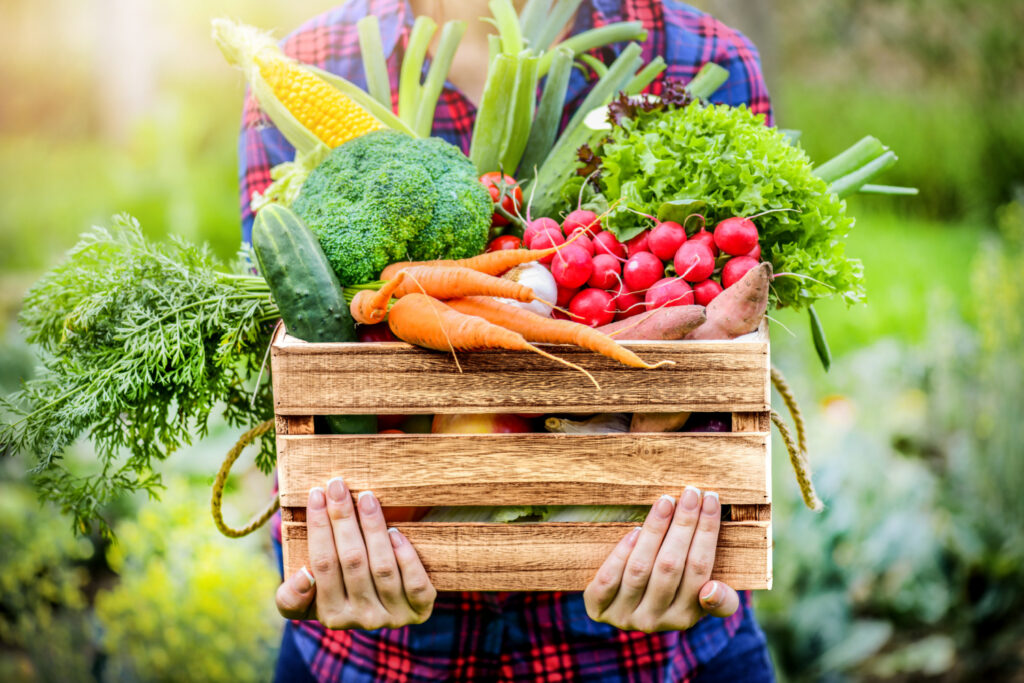
Vegetables include any type and provide vitamin C, beta-carotene, riboflavin, iron, calcium, fiber, and other nutrients. Dark green leafy vegetables such as kale and collards are great examples, as well as orange vegetables such as carrots and sweet potatoes that provide extra beta-carotene.
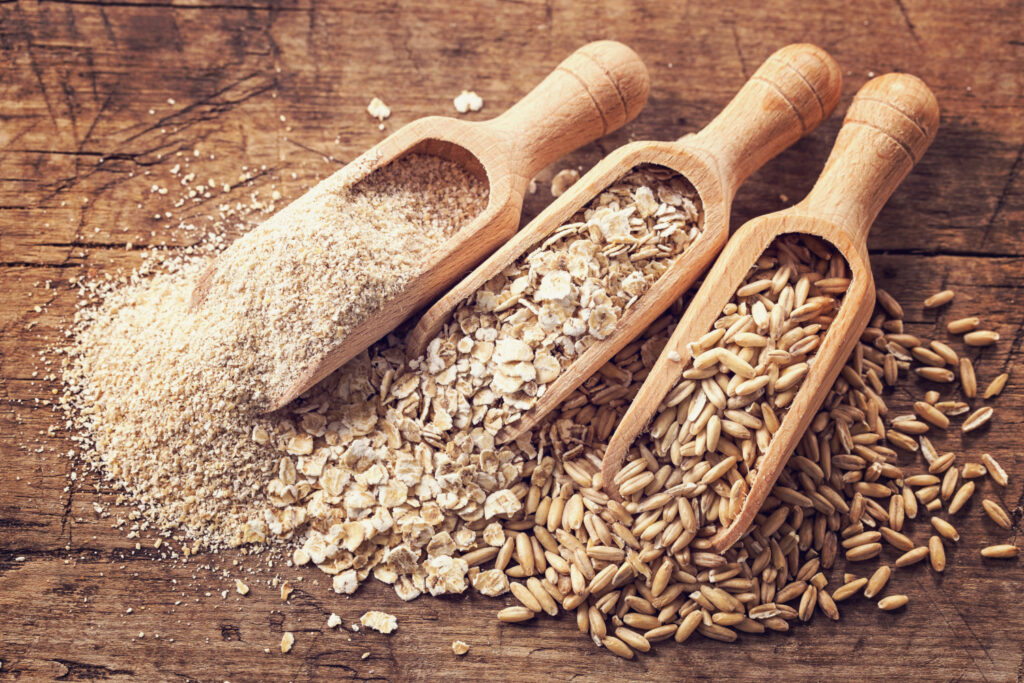
Grains include rice, millet, wheat, oats, buckwheat and can be eaten in the form of whole-grain bread, pasta, tortillas, and hot or cold cereals. Try to use whole grain to get more nutrients.